

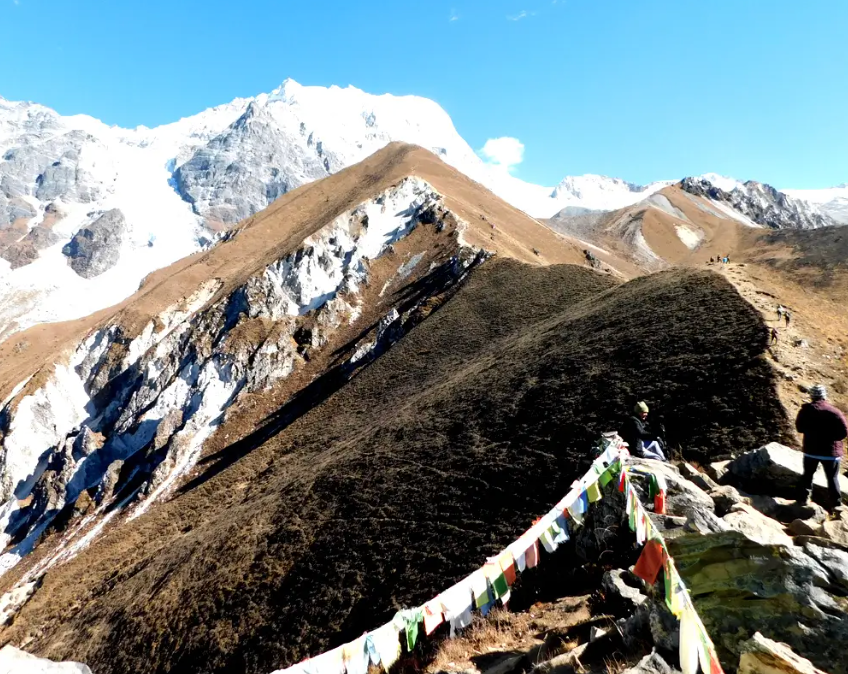
Langtang Valley Trek One of the most beautiful trekking trails in Nepal is tactical with magnificent Himalayan views, tranquil nature scenery, and authentic mountain culture accessible from Kathmandu. Categorized as a moderate hike, but be prepared and you will be able to appreciate it without trouble. A difficult trail, which again was very different from the rest, with up and down elevation changes, long walking distances, remote villages, and general weather conditions. While it is important to prepare physically for the rigors of trekking, the wise preparation before leaving plays a major role in getting your pack prepared successfully for the Langtang Valley trek.
This is not technical climbing; however, trekkers need to be fit enough, as they will be walking for hours a day over the steep up and down landscape. Regular hiking, walking, or cycling (for half an hour or more) over three months prior to the visit can build stamina and reduce fatigue. Also, training with a pack that you will be carrying during the trekking helps you know your gear fits well and also experience the beauty of nature by being in Langtang.
Preparation for the trek must be physical before.
Physical preparation is one of the most important aspects of how to prepare for the Langtang Valley trek. No climbing technical skills are required (but you will need a good amount of stamina, as you will be walking for several hours/day over hills and valleys). Endurance Training: One of the most important things that you can do to prepare for a trip such as this is getting enough hikes, walks (if applicable), cycling, and strength exercises in prior to heading out so that those 15-hour travel days are not completely tiring.
Also, get yourself a bag that you will carry with you on your trek and actually walk around with—this is for the body to fit itself before hitting the trails of the Himalayas by involving itself in an activity of training. So health will make the adventure great; more so, you can really enjoy every single shred of the journey.
Q: When is the best time for Langtang Valley Trek?
The choice of the season is one of the crucial points for a comfortable Langtang Valley trek. Spring (March to May) is famous for the flowering of the rhododendron forest and moderate temperatures. The fall, that is, from September until November, is also a good season—clear skies and stable weather conditions provide the best view of the mountain. Winter has quiet hiking trails and spectacular sights, but dress for the weather. Monsoon. As many trekkers will tell you, it makes even the toughest of routes a little sludgy and muddy. The peak season ensures safety and allows the trekkers to enjoy the Himalayan spectacle at its best.
Prepare the Right Trekking Equipment
A Langtang trek needs the correct equipment and supportable clothing. The comfortable hiking shoes, layered clothes, waterproof jacket with a warm fleece layer, trekking pants, your gloves, and a good sleeping bag are the must-carry factors. Trekking pants, gloves, and layered clothing are advisable anyway; you must carry them because the weather on the mountain can unexpectedly change at any time or you might feel uncomfortable some place along the journey.
You have trekking poles, sun shades, a whole lot of all those, some solar block, a water bottle, personal medication, and simple first aid components, which will also be quite essential. Having the proper gear will guarantee you are prepared for anything the trail throws at you without being overloaded in your pack day after day.
Plan Your Accommodation and Meals
The Langtang Valley Trek is a type of tea house trek, which means you will be sleeping in local huts rather than in a tent at nights. Tea houses are pretty simple rooms; food is prepared by local families. Being aware of the facilities en route makes for clear expectations among trekkers. Catchment in the upper zones is far more accessible, but it provides a great window into interaction with local communities. Since you trek long days in valleys, forests, and on mountain trails, it is also very important to eat healthy meals and to drink enough water.
Understand Altitude and Acclimatization
Can you blame him if even the drone has altitude awareness and you fall a little short of the heights on some Himalayan routes (like the Langtang Valley Trek)? At higher elevations, portions of the trek become more physically demanding, and some trekkers may suffer from mild altitude sickness as they acclimatize. But the slower you go, rest at every sun ray because your body adapts better, and even drink a lot of water in between meals; these reduce altitude sickness. This information will allow you to make a better decision that optimizes your journey! Doing it well means enjoying the beauty of those mountain views without being sick!
Arrange Permits and Travel Documents
Paperwork before the start of Langtang Valley Trek eases up everything for your journey. The trekkers should have flight tickets as proof for entering the region of Langtang National Park and private travel permits, passport & travel insurance information. This is very important since a response time might be brought into play, although it should also be noted that here travel insurance comes into the venue by providing you with the final aid you need with emergencies, health-related matters, and any other inquiries or unpredicted events occurring during the trek. Have all documents ready always and have no issues on your way—do your best to start your trek here in Nepal, trekking into one of the least measured hiking trail experiences.
Prepare Mentally for Mountain Conditions
Just like the Langtang Valley Trek requires physical preparation, it also needs its level of psychological preparation. That said, the mountainous setting is characterized by very few surprises—long days of walking in potentially changeable weather and a disconnect from where you keep your cell phone. Having patience, being more flexible, and focusing on the positives help you manage these little road bumps. This simple way of life in communion with nature gives the tourists who visit the mountain communities authentic experiences that promote a renewed appreciation for its peaceful habitat. With an enduring attitude, challenges become memories on the adventurous trek through the magnificent Langtang region.
Respect Local Culture and Nature
Trekking Responsibly: What makes the Langtang Valley Trek more worthy Apart from this, it also harbors the ever-rich culture and tradition of the Tamang and Himalayan communities. Trekkers can make sure they respect local traditions, provide local businesses with income, and produce less waste to safeguard nature. It protects these spots from unnecessary plastic waste, allows wildlife to continue to inhabit its home, and adheres to the directions of the trail. One of the key things that responsible travel could do is to allow our future generations to experience the same sublime scenery and traditional cultures that underpin trekking in Nepal.
Langtang Valley Trip Guide: How to Plan a Perfect Trek
Effective planning, preparation for the Langtang Valley trek itself in terms of physical fitness, the right equipment, and respect for nature are crucial. Each tiny bit of effort you make—from choosing the right season, getting the permits in order, preparing for high altitude, or simply packing well—is a step closer to making your experience safer and better.
Combining the exotic Himalayan scenery, traditional villages, and pristine trails with tea house hospitality makes for an adventure that is second to none! If you are well prepared and have a good attitude, however, the Langtang Valley Trek is among the greatest treks involving breathtaking views, cultural immersion, and opportunities for creating lifelong memories.
