

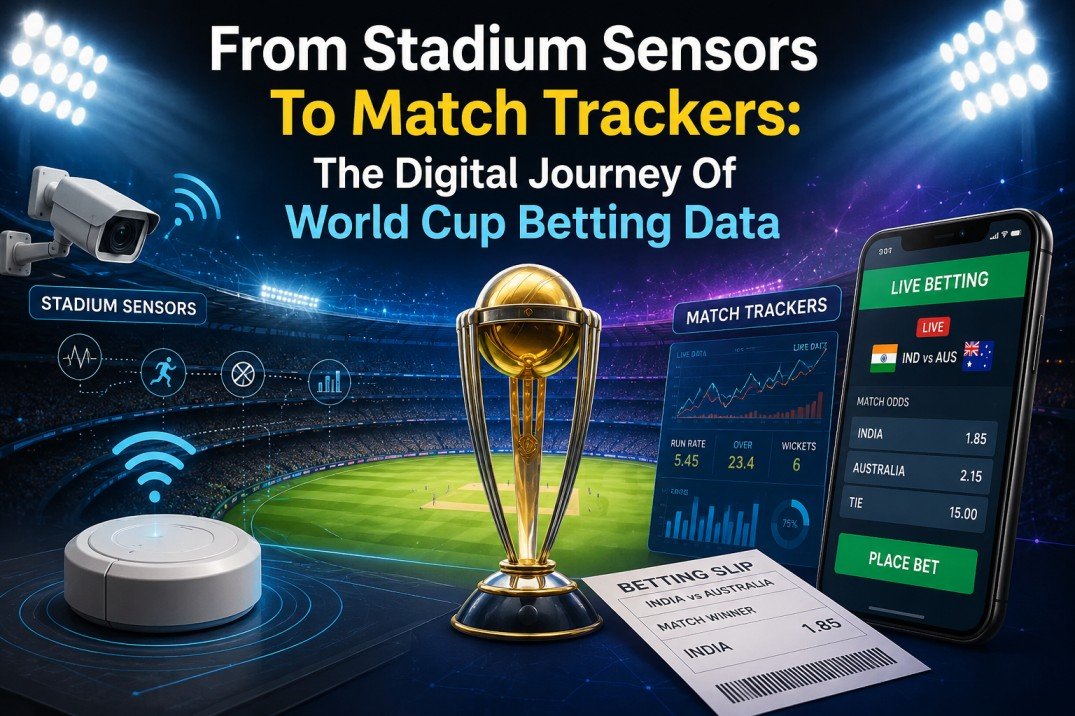
The FIFA 2026 World Cup is in full swing, and it’s being followed in stadiums, on television, through live score apps, and across online sports betting platforms simultaneously. For most fans, the process feels simple. A player shoots, a corner is given, a yellow card appears, and a few moments later, the match tracker updates. Behind that small change, however, is a massive digital journey moving through several layers of tech.
A modern World Cup matchday produces a steady stream of information. During a match, the raw details are being picked up from several places at once. Cameras follow the play, official data teams log the key events, timing systems track the clock, and pitch-side tools help turn what happens on the field into usable information. A goal, a foul, a corner, a card or a substitution is not just a moment in the game anymore. It becomes data that has to be checked, cleaned up and sent on to the platforms waiting for it.
This is where betting becomes integral to the wider football data story. A fan using a soccer betting platform might follow team news, compare world cup betting odds on betway during a tense match, and check how live events are shifting the market. Football betting now sits close to match trackers, live stats, and fast mobile updates rather than standing apart from the rest of the screen.
From The Pitch To The Data Feed
The first layer is collection. During the ongoing tournament, every match produces small events that matter. A blocked shot may not change the score, but it indicates pressure; a run of corners makes one side look more dangerous, and a late substitution changes how fresh a team feels in the final minutes.
Once recorded, these moments move into live data feeds: the pipes carrying information to broadcasters, apps, websites, and sports betting platforms such as betway. The goal is speed and cleanliness; a duplicate event, a missing card, or a delayed substitution can make a match tracker feel inaccurate. That is why reliability matters so much in World Cup betting tech. Fans are not just staring at the odds. They are using them to understand where the match might be heading, especially when the score has not changed yet. If the data comes in late, the betting odds start to feel behind the game, as if the screen is catching up to the football instead of moving with it.
Why Odds Need Context
Betting odds are not just numbers sitting next to the teams. They shift with the game itself, with the pressure building on the pitch and with whatever the tournament picture looks like around that match. In the FIFA 2026 World Cup, that bigger picture matters even more. There are more matches to follow, more possible routes through the tournament and more situations where one late result can change what another team needs from its next game.
For online betting, the most useful screen brings everything together. Odds, lineups, injuries, cards, live stats, and match status help explain market movements. Without this context, a sports bet can feel like a guess made from a number alone. Good tech keeps these pieces connected via APIs that link fixtures, standings, player details, and match events. Back-end systems process these updates while monitoring tools watch for delays, ensuring the experience feels current.
A Bigger Tournament, A Bigger Data Challenge
The move to a 48-team tournament makes all of this harder to manage. There are more matches to track, more live feeds coming in, more markets changing during the day and more fans checking from their phones. All of that adds pressure to the tech behind the screen, even when the user only sees a clean match page. While fans focus on the goals, the shocks, and the late drama, the platforms powering the digital side are focused on speed, accuracy, and trust.
That is the real journey of betting data. It starts with a tackle, a shot, or a whistle inside the stadium, then travels through collectors, feeds, APIs, and match trackers before reaching the user. When the tech works well, fans barely notice the machinery; they just see the match changing in front of them.
